




17 September 2026
|
8:10:45
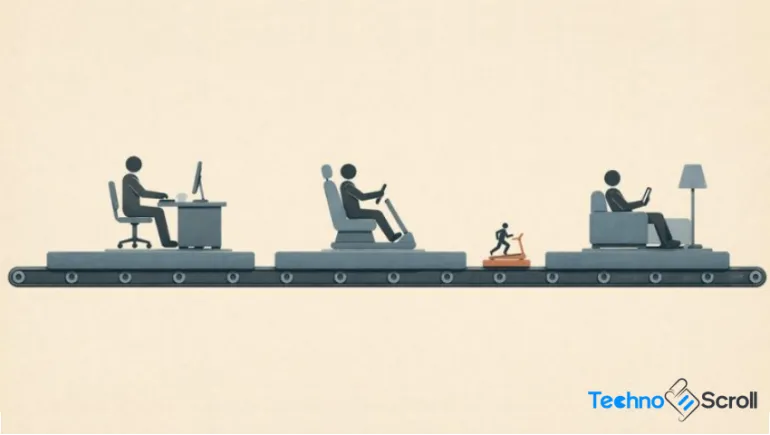
If your job keeps you glued to a chair for eight hours or more, you're not alone. Millions of people spend the majority of their waking hours sitting at desks, in meetings, or commuting and the toll it takes on the body is well documented. The good news is that reversing some of that damage doesn't require a gym membership or an hour-long workout. This guide explores the best exercise after sitting all day, why it works, and how to build a sustainable movement habit that fits into even the busiest schedule.
Before diving into solutions, it helps to understand what prolonged sitting actually does to your body. Prolonged sitting health effects include tight hip flexors, weakened glutes, rounded shoulders, and compressed spinal discs. Research has consistently linked a sedentary lifestyle to increased risk of cardiovascular disease, poor circulation, and musculoskeletal pain.
When you sit for extended periods, your hip flexors shorten while your glutes essentially "switch off" from underuse. Meanwhile, your upper back rounds forward toward a screen, straining the neck and shoulders. Over months and years, these small postural compromises accumulate into chronic discomfort, reduced mobility, and lower energy levels throughout the day.
The encouraging part is that your body responds quickly to intervention. You don't need to overhaul your entire lifestyle you need consistent, small doses of movement strategically placed throughout your day.
Among the many options available, one movement stands out for its accessibility and effectiveness: the standing hip flexor stretch combined with a glute bridge sequence. This pairing directly counteracts the two biggest problems caused by sitting tight hips and weak glutes in under two minutes.
This combination works because it directly targets the muscles most compromised by sitting. The stretch lengthens shortened hip flexors, while the bridge reactivates glutes that have gone dormant from disuse. Together, they help restore proper alignment and reduce the lower back strain that so often accompanies desk work.
Exercise to reduce the effects of sitting doesn't need to be complicated to be effective. The hip flexor stretch and glute bridge combination succeeds because it addresses root causes rather than just symptoms. Many people reach for generic stretching routines without understanding which muscles actually need attention after sitting.
Sitting places your hip flexors in a permanently shortened position for hours at a time. When you finally stand up, those muscles remain tight, pulling on your pelvis and contributing to lower back discomfort. Simultaneously, your glutes, responsible for stabilizing your hips and supporting proper posture weaken from lack of engagement. Addressing both issues together creates a more balanced correction than isolated stretching alone.
While the hip flexor and glute combination addresses your lower body, a well-rounded approach to office exercise should also address your upper body and spine.
Neck pain exercises matter just as much as lower body work, especially for those hunched over keyboards or phones throughout the day. Try gentle neck rolls, ear-to-shoulder stretches held for 15 seconds per side, and shoulder blade squeezes performed 10 times to counteract forward-rounded posture.
Chest openers help reverse the rounded shoulder position that develops from hours of typing. Stand in a doorway, place your forearms on the frame, and gently lean forward until you feel a stretch across your chest. Hold for 20-30 seconds.
In addition to the standing hip flexor stretch, seated figure-four stretches provide relief for tight hips and glutes. Cross one ankle over the opposite knee while seated, then gently lean forward until you feel a stretch in your hip and glute area.
Physical activity guidelines from health organizations generally recommend breaking up sitting time every 30 to 60 minutes with two to five minutes of movement. This concept, sometimes called exercise snacks or micro workouts, has gained traction as research increasingly shows that frequent short movement breaks outperform a single long workout for counteracting sedentary behavior.
Setting a timer or using a smartwatch reminder can help build this habit until it becomes automatic. The goal isn't intensity, it's frequency and consistency.
For those wondering how to stay active with a desk job without disrupting their workflow, here's a simple sequence requiring no equipment and minimal space:
This entire routine takes roughly three to four minutes and can be repeated two to three times throughout the workday for meaningful cumulative benefit.
Starting your day with movement sets a positive tone before you even sit down. A brief morning stretch routine involving cat-cow stretches, standing forward folds, and gentle torso rotations helps prime your spine and joints for the hours of sitting ahead. This proactive approach, combined with regular movement breaks during the day, creates a more comprehensive defense against the effects of sedentary work.
Exercises to improve blood circulation don't require vigorous activity. Simple ankle circles, calf raises, and marching in place while standing can significantly improve blood flow to the lower legs, an area particularly affected by prolonged sitting. Poor circulation from extended sitting has been associated with increased risk of blood clots and general leg fatigue, making these small movements more important than they might initially seem.
The difference between knowing these exercises and actually benefiting from them comes down to consistency. Consider these practical strategies for building a daily mobility routine that sticks:












Comments
There are no comments for this Article.