




20 September 2026
|
8:10:45
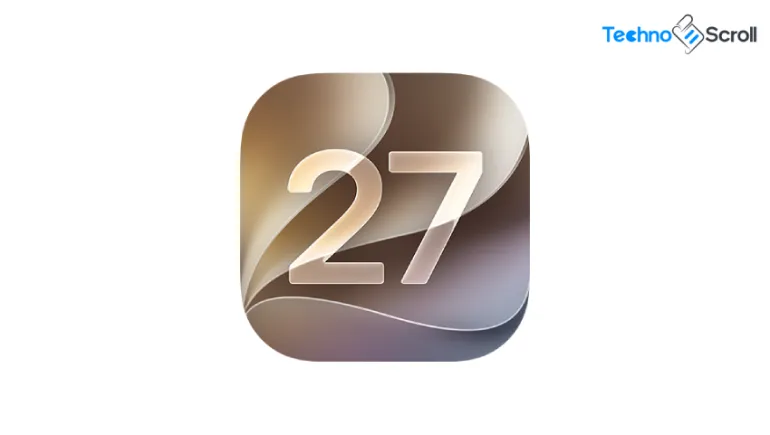
Apple unveiled iOS 27 at WWDC 2026 on June 8, with the public beta now available and a full public rollout expected around mid-September, alongside the iPhone 18 Pro launch. Unlike the visual overhaul iOS 26 delivered with Liquid Glass, iOS 27 is a more foundational release centered on a long-awaited Siri redesign, expanded Apple Intelligence features, and a long list of smaller refinements across Messages, Photos, and Safari. Here's a breakdown of the biggest changes, and what they actually mean for day-to-day iPhone use.
The headline feature in iOS 27 is Siri's most significant overhaul since its debut. The redesigned Siri supports full back-and-forth conversations and can handle multiple tasks within a single request, rather than requiring users to issue commands one at a time. Visually, Siri now surfaces through a new "Search or Ask" bar in the Dynamic Island, replacing the familiar colorful glow that previously wrapped around the screen edge.
Apple rebuilt Siri's underlying search index so the assistant can pull relevant information directly from emails, text messages, files, photos, and notes. This means Siri can be asked to surface a specific photo, recall details from an old email thread, or locate a file understanding the content itself, not just matching keywords. Part of this improvement comes from Apple's collaboration with Google, which now supplies some of the foundation models powering Siri's reasoning in iOS 27.
A new systemwide "Write with Siri" feature lets users draft text from scratch, fix grammar, or get feedback on writing in any app that accepts text input. In Mail and Messages, Siri can even match a user's personal writing style when composing new messages, and can rewrite existing text to sound more casual or professional based on a simple description of the desired tone.
Apple Intelligence in iOS 27 adds a range of one-tap suggestions inside Messages based on the context of a conversation. If a friend asks to be sent event photos, the system can suggest the right images using its understanding of people, locations, and keywords in the Photos library. If a conversation mentions a dinner plan or meeting, Messages can prompt users to add it directly to their calendar all without the feature announcing itself as an obviously AI-driven addition.
The Photos app gains several new AI-powered editing tools in iOS 27. Clean Up is more effective at removing unwanted objects and filling in the surrounding area convincingly, while two new tools Reframe and Extend let users change a photo's composition after the fact. Extend uses AI to generate new image content beyond the original frame, and Reframe combines AI with spatial data to adjust a photo's perspective, useful for images that were cropped too tightly at the time they were taken.
Visual Intelligence, Apple's camera-based AI tool, picks up several new capabilities in this update. It can now pull nutritional information from a photo of a meal, import multiple calendar events from a single flyer or invitation, split a receipt into individual shares, and extract contact details directly from a business card photo.
Beyond AI features, iOS 27 brings a handful of practical improvements to two of the most-used apps on iPhone. Messages now continues sending large media files in the background without blocking newer texts from arriving, and consolidates group-chat Tapback notifications so they no longer clutter the notification center. Photos adds full-resolution Shared Albums, support for contributions from Windows and Android users, searchable keywords, star ratings, and customizable slideshows along with the ability to save any video frame as a still photo with a single tap.
Safari gains a redesigned Start Page organized into four tabs favorites, bookmarks, reading list, and browsing history making it faster to jump back into recent browsing without extra taps. Beyond Safari, Apple has emphasized that iOS 27 focuses heavily on foundational performance work, including battery life improvements and general responsiveness, rather than purely visual changes. Early rumors even compared the release's philosophy to Mac OS X Snow Leopard, a version historically remembered for prioritizing stability and speed over new features.
iOS 27 also introduces a redesigned Screen Time experience aimed at giving parents more real-time visibility. Parents can view the apps and websites their children are visiting and adjust settings on the fly, while new Time Allowances let them set usage limits for categories like Entertainment, Games, and Social Media on custom schedules. Ask to Buy and Ask to Browse now require permission for every new app download and website visit, and Communication Safety extends its content filtering to blur graphic violence in addition to nudity across Messages and FaceTime.
In a notable departure from past years, Apple has confirmed that iOS 27 will run on every iPhone currently capable of running iOS 26, including the iPhone 11 and later no devices are being dropped from this update. That said, full Apple Intelligence features, including the new Siri, still require an iPhone with sufficient on-device processing power; the iPhone 15 and earlier models without that capability won't be able to access the AI-driven features, even though they can still install iOS 27 itself.
It's worth being clear about what kind of update iOS 27 is, since it plays a very different role than its predecessor. iOS 26 was a visual and structural reset it introduced the Liquid Glass design language across the entire operating system, reshaping how menus, icons, and navigation elements look and feel. iOS 27 keeps that same design language largely intact, with only refinements like adjustable glass intensity and layered app icons, rather than another ground-up redesign.
Where the two releases diverge most is under the hood. iOS 26 laid the groundwork for Apple Intelligence but shipped with a version of Siri that remained largely unchanged from previous years, unable to fully deliver on the personal-context features Apple had originally promised. iOS 27 is the release where that promise starts to materialize: a genuinely conversational Siri, deep integration with personal data across Mail, Messages, and Photos, and systemwide Write with Siri tools that iOS 26 never had. In short, iOS 26 changed how the iPhone looks, while iOS 27 changes how it behaves particularly for anyone using Apple Intelligence features day to day.
Performance is another meaningful difference. Where iOS 26 focused heavily on introducing new visuals and features, early reports and Apple's own comparisons position iOS 27 closer to a stability-and-speed-focused release, with more attention paid to battery life and general responsiveness than to headline-grabbing new interfaces. For users who found iOS 26 visually striking but not dramatically more useful, iOS 27 is the version that's more likely to change how the iPhone is actually used.
For most users, iOS 27 is a worthwhile update, particularly given that every eligible device not just the newest iPhones will receive it. Anyone using an iPhone from the past few years without Apple Intelligence support will still benefit from the performance improvements, Messages and Photos updates, and redesigned Screen Time tools. For newer iPhones that support Apple Intelligence, the redesigned Siri and its deeper integration with personal data mark the most meaningful change to how the assistant works since it first launched arguably making iOS 27, not iOS 26, the release where Apple's AI ambitions for the iPhone actually start to show up in daily use.










Comments
There are no comments for this Article.