


01 November 2026
|
8:10:45
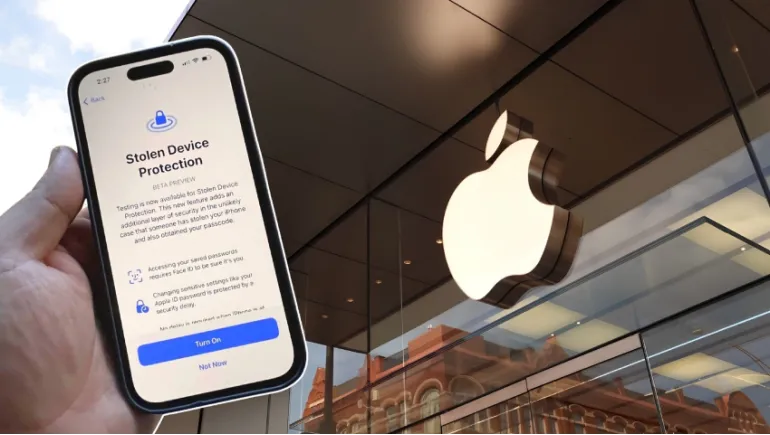
Apple is introducing a new retail security system designed to make iPhone returns safer and reduce product theft. The technology allows Apple Store employees to inspect returned iPhones without opening their sealed boxes. It can reportedly scan the device and run diagnostics to check whether the phone remains intact.
The new system builds on Apple's existing Presto technology, which already allows retail employees to update iPhone software before customers open their boxes. Apple now appears to be expanding its capabilities to address a growing problem involving fraudulent product returns.
This development could improve Apple Store security, reduce inventory losses, and make the return process more efficient. But how does Apple's new anti-theft system work, and what does it mean for iPhone buyers?
Apple's new iPhone anti-theft system is a retail inspection technology that helps employees identify suspicious product returns without breaking the original packaging.
According to a report by Bloomberg's Mark Gurman, Apple has started rolling out specialized devices that can scan an iPhone inside its sealed retail box and run diagnostic checks. The system helps employees confirm whether the phone is present and fully intact before approving a return.
Previously, Apple Store employees generally needed to open returned iPhone boxes to inspect their contents. This created additional work, even when customers returned completely untouched products.
The new approach aims to solve that problem. If an iPhone passes the verification process, employees can keep its packaging sealed and potentially return it directly to store inventory.
Unlike Apple's Stolen Device Protection feature, this technology does not directly protect an individual customer's phone from unauthorized access. Instead, it focuses on retail theft prevention and Apple iPhone return fraud prevention.
Apple's Presto technology is the foundation of this new retail security approach. The company already uses Presto machines to perform certain operations on boxed iPhones without requiring employees to remove the devices from their packaging.
The technology makes use of wireless communication to interact with compatible devices inside their retail boxes.
Apple has reportedly adapted this existing system to support additional inspection tasks. However, the company has not publicly explained the complete technical process or confirmed every diagnostic capability.
One of the most interesting capabilities is the ability to check an iPhone without opening its retail packaging.
When an employee places a returned iPhone box on the scanning equipment, the system can reportedly communicate with the phone inside and perform diagnostic checks.
This gives Apple Store employees another way to verify returned products while preserving the original packaging.
The process is particularly useful for sealed products. Previously, employees had to break the seal and physically inspect the contents, even when the customer had returned an untouched device.
The new iPhone box scanner could reduce that unnecessary handling and help stores process legitimate returns more efficiently.
The new scanning system reportedly goes beyond basic product identification. It can run diagnostics to help determine whether the iPhone inside the box remains fully intact.
This matters because some fraudulent returns involve more than simply removing the phone. People may also remove accessories or components before returning the packaging.
Apple's new iPhone return verification system is designed to help identify these suspicious returns.
However, Apple has not disclosed exactly which hardware components the diagnostics can inspect or whether the system can independently verify every accessory inside the box.
Therefore, it is more accurate to describe this as an in-box diagnostic and verification system rather than a scanner that can detect every missing item.
Presto technology is not entirely new to Apple Stores.
Apple previously introduced the system to update iPhones before customers purchase them. This allows employees to install software updates without opening the retail packaging.
As a result, customers can receive an iPhone with a newer version of iOS already installed instead of immediately downloading an update after unboxing it.
The system has also supported additional retail operations, including personalized setup greetings on compatible devices.
By expanding Presto's capabilities, Apple can use its existing retail technology for more than software updates. The latest development shows how Apple is exploring new ways to improve its retail operations through wireless software updates and device integrity checks.
The main reason behind Apple's new security system is the growing challenge of retail return fraud.
High-value smartphones contain expensive components and accessories. Fraudsters can exploit return policies by removing valuable items and returning the remaining packaging.
This creates financial losses for retailers and makes it harder for employees to verify returned products.
One of the biggest goals of Apple's new technology is to reduce fraudulent iPhone returns.
In some reported cases, people purchase Apple products, remove the phone or valuable components, and then return the packaging. They may attempt to make the box look unopened so employees will accept the return without noticing anything missing.
This type of return fraud can cost retailers significant money.
Apple's new scanning technology adds another verification step. Employees can reportedly run diagnostics before accepting a returned device, making it harder for fraudulent packages to pass inspection.
It also helps protect honest customers by allowing legitimate returns to move through the process more efficiently.
A returned iPhone box does not always contain everything originally included.
Fraudulent buyers may remove the entire smartphone, accessories, or internal components before attempting to return the package.
Apple's new system can reportedly check whether the iPhone inside the box is present and functioning correctly.
This helps address a weakness in traditional visual inspections, where employees may not immediately notice sophisticated packaging tampering.
However, the exact limits of Apple's hardware diagnostics remain unknown. The company has not confirmed whether the system can identify every missing component or detect all forms of product tampering.
Opening every returned iPhone box creates another problem for Apple: inventory management.
Once employees break the original seal, an otherwise unused iPhone may no longer qualify for immediate resale as a new, sealed product. The store may need to send it back to a warehouse for additional inspection and repackaging.
This process takes time and increases operational costs.
With the new Apple in-store anti-theft technology, employees can reportedly verify qualifying returned products without opening their packaging.
That could help Apple reduce unnecessary warehouse processing, maintain cleaner inventory records, and make better use of available stock.
Yes. Apple's Presto-based retail security system and Stolen Device Protection serve completely different purposes.
Stolen Device Protection is an existing iPhone security feature designed to protect personal information if someone steals a device, even when they know its passcode.
It adds extra authentication requirements for sensitive actions, such as accessing saved passwords or changing important Apple Account settings.
Some operations also require a security delay, giving the owner additional time to protect their account.
Users can find this feature under Settings > Face ID & Passcode > Stolen Device Protection.
Apple's new Presto-based technology, on the other hand, focuses on retail operations. It helps employees inspect returned iPhones and identify potential product theft without opening sealed boxes.
The two technologies work in different areas of Apple's security ecosystem.
For users concerned about personal iPhone security, Stolen Device Protection remains important. For Apple Stores, the new scanning system offers an additional layer of retail loss prevention.
According to Bloomberg's reporting, the new scanning devices began arriving at Apple retail stores in October 2026 and are now becoming operational.
MacRumors also reported the development on October 25, 2026, confirming that Apple is expanding the capabilities of its existing Presto equipment.
However, Apple has not published an official list of participating stores or confirmed a complete worldwide rollout.
For now, the reported deployment focuses on Apple's retail operations. It is not yet clear when or whether the same technology will become available to authorized retailers and other sales partners.
Customers should also understand that this technology does not replace Apple's standard return policy. Return eligibility, deadlines, and refund conditions still depend on the applicable regional policy and purchase terms.
For most iPhone buyers, Apple's new anti-theft technology should have little direct impact on everyday smartphone use. Its main benefits are related to retail security, inventory management, and return verification.
However, customers could notice a few improvements.
First, legitimate returns may become more efficient because employees will not always need to open sealed packaging for inspection.
Second, Apple could reduce unnecessary handling of unused devices. This may help stores maintain more products in their original packaging and improve inventory availability.
Third, stronger return verification could make fraudulent transactions more difficult, protecting Apple's retail operations from avoidable losses.
The technology also demonstrates how Apple is using its existing hardware ecosystem to solve practical retail problems.
For customers buying a new iPhone, the usual advice still applies: purchase from trusted retailers, keep the original packaging and proof of purchase, and review the return conditions before completing a transaction.
Apple's new iPhone anti-theft system represents an interesting improvement in retail security. By expanding Presto technology to inspect returned devices without opening their boxes, Apple can reportedly identify suspicious returns while reducing unnecessary inventory processing.
Although the system does not replace existing iPhone security features, it adds another layer of protection to Apple's retail operations.
The biggest benefit is its potential to make legitimate returns easier while helping Apple identify fraudulent ones. As the technology reaches more stores, it could become an important part of Apple's approach to retail security and product verification.










Comments
There are no comments for this Article.