




12 August 2026
|
8:10:45
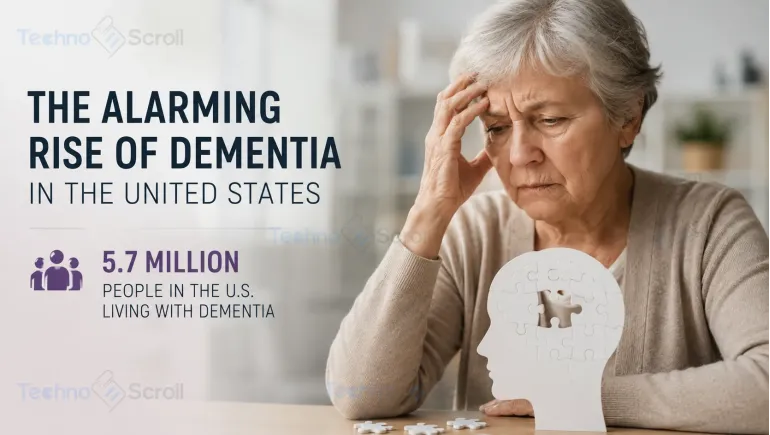
Dementia is rapidly becoming one of the most significant public health challenges of the 21st century. Today, approximately 5.7 million people in the United States are living with dementia, a condition that progressively impairs memory, thinking, behavior, and the ability to perform everyday tasks. As the population ages, experts warn that the number of cases is expected to climb sharply over the coming decades, placing enormous pressure on families, healthcare systems, and the economy.
Although dementia is strongly associated with aging, it is not a normal part of growing older. Alzheimer's disease remains the most common form, accounting for an estimated 60% to 70% of all dementia cases. Other forms include vascular dementia, Lewy body dementia, and frontotemporal dementia, each affecting the brain in different ways.
Recent research has revealed a sobering reality: Americans over the age of 55 face a substantially higher lifetime risk of developing dementia than previously estimated. This finding highlights the urgent need for earlier prevention strategies, greater awareness, and improved access to diagnosis and care.
The earliest signs of dementia often appear gradually. Individuals may experience persistent memory loss, difficulty solving familiar problems, confusion about time or place, trouble finding words, or noticeable changes in mood and personality. Because these symptoms can develop slowly, many people dismiss them as ordinary aging, delaying medical evaluation and treatment.
While advancing age remains the greatest risk factor, scientists have identified several lifestyle and health conditions that may increase the likelihood of developing dementia. High blood pressure, diabetes, obesity, smoking, excessive alcohol consumption, physical inactivity, depression, social isolation, and untreated hearing loss have all been linked to a higher risk. The encouraging news is that many of these factors are modifiable, meaning healthier lifestyle choices may help protect long-term brain health.
Medical experts recommend regular physical activity, a balanced diet rich in fruits, vegetables, whole grains, and healthy fats, quality sleep, lifelong learning, and maintaining strong social connections. Managing chronic conditions such as hypertension, diabetes, and high cholesterol also plays a critical role in reducing cognitive decline.
Beyond its impact on individuals, dementia carries an enormous economic burden. The condition requires extensive medical care, long-term support, and billions of hours of unpaid caregiving provided by family members. As the number of cases increases, healthcare costs and caregiver responsibilities are expected to rise significantly, making dementia one of the nation's costliest chronic health conditions.
Early diagnosis can make a meaningful difference. Although there is currently no cure for most forms of dementia, timely medical intervention can help manage symptoms, slow disease progression in some patients, and allow families to plan for future care. New therapies and ongoing research continue to offer hope for improved treatment options.
The growing number of Americans living with dementia is a reminder that brain health deserves the same attention as heart health. Preventive care, healthy daily habits, and greater public awareness have the potential to reduce future risk while improving quality of life for millions of people. As research advances, investing in prevention, early detection, and caregiver support will be essential in addressing one of the most pressing healthcare challenges of our time.












Comments
There are no comments for this Article.