




19 August 2026
|
8:10:45
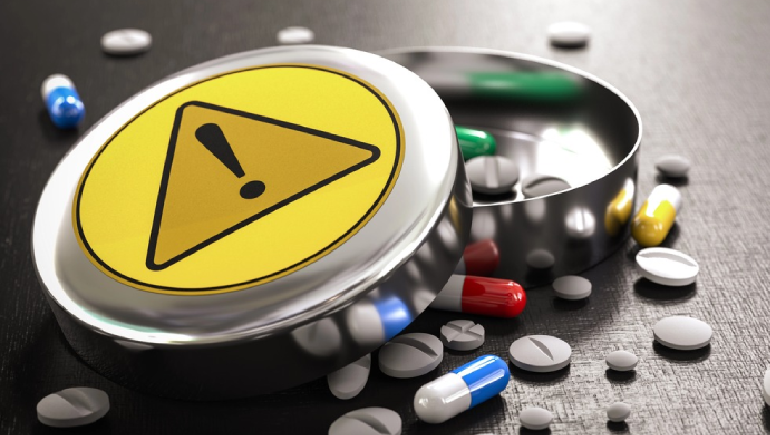
Medications play a crucial role in modern healthcare—helping to treat illnesses, manage chronic conditions, and improve quality of life. However, using them safely is just as important as taking them in the first place. Understanding medication safety and potential side effects can help you avoid complications and get the most benefit from your treatment.
Medication safety refers to the correct use of medicines to prevent harm. This includes taking the right dose, at the right time, in the right way, and for the right condition. Even commonly used medications can cause problems if misused.
Side effects are unintended reactions that occur when taking a medication. Not all side effects are harmful—some are mild and temporary, while others may require medical attention.
Medications work by affecting certain processes in the body, but they can also impact other systems unintentionally. Factors that influence side effects include:
Drug interactions—when one medication affects another—are a common cause of unexpected side effects.
Always inform your doctor or pharmacist about all medications you are taking, including supplements and herbal products, as well as any allergies or past reactions.
Never adjust your dose or stop taking medication without professional advice, even if you feel better.
Seek medical attention immediately if you experience:
Over-the-counter drugs are widely available, but misuse can lead to serious health issues.
Keep medicines out of reach of children and store them in a cool, dry place unless otherwise directed.
Dosages must be carefully measured based on age and weight. Adult medications should never be given to children unless prescribed.
They are more sensitive to medications and more likely to take multiple drugs, increasing the risk of interactions.
Some medications can affect fetal development. Always consult a healthcare provider before taking any medicine.
If you notice unexpected symptoms after starting a medication, don’t ignore them. Reporting side effects helps healthcare providers adjust your treatment and improves overall drug safety monitoring.
Medication safety is a shared responsibility between healthcare providers and patients. Being informed, cautious, and proactive can significantly reduce risks. While side effects can be concerning, understanding them empowers you to respond appropriately and maintain control over your health.
Always remember: When in doubt, ask a professional. Your safety comes first.












Comments
There are no comments for this Article.