




29 September 2026
|
8:10:45
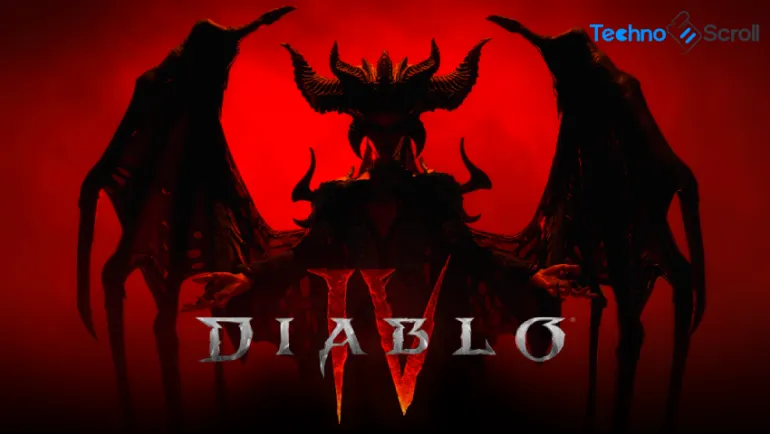
Diablo 4's second major expansion, Lord of Hatred, launched on April 27, 2026, and it did far more than add new story content. Alongside Season 13 (Season of Reckoning), the expansion reworked core systems that had defined Diablo 4 since its 2023 launch skill trees, itemization, endgame progression, and the class roster all changed at once. For longtime players wondering whether it's worth jumping back in, and newcomers deciding if now is the right time to start, here's a complete breakdown of what Lord of Hatred actually changes about Diablo 4.
Lord of Hatred sends players to Skovos, a brand-new region that serves as the setting for the final confrontation with Mephisto, the Lord of Hatred himself. The campaign brings back familiar characters, including Lorath and Lilith, and runs roughly eight hours long. Reviewers have consistently pointed to it as one of the best-paced and most engaging story experiences in the Diablo 4 saga, offering genuine closure to plot threads that trace back to the base game.
For players who felt the original campaign lacked stakes, this narrative shift alone makes Lord of Hatred worth experiencing, even before factoring in the systemic changes underneath it.
The most talked-about addition in Lord of Hatred is the arrival of two new classes, bringing Diablo 4's total roster to eight: Barbarian, Rogue, Sorcerer, Necromancer, Spiritborn, Druid, Warlock, and Paladin.
The Paladin returns as a fan-favorite from earlier Diablo titles, built around sword-and-board mechanics and angelic Aura abilities. Its power is shaped by four selectable Oaths, each supporting a different playstyle. The Juggernaut Oath leans into shield-based survivability, while the Zealot Oath rewards fast, aggressive attack combos. Because of its tanky design and passive damage output, the Paladin is widely recommended as the easier of the two new classes for players just getting into Lord of Hatred.
The Warlock is Diablo 4's second Willpower-based class, joining the Druid in that resource category. Rather than summoning permanent allies, the Warlock conjures demons as expendable tools, sacrificing them mid-battle for bursts of power. Builds center around one of four Soul Shards, giving players multiple ways to specialize the class. Thanks to its flexibility, the Warlock had already produced several top-tier builds among the community shortly after launch, making it a strong pick for players who enjoy build experimentation.
Among all the systemic updates, the skill tree rework may be the change with the widest impact, since it applies to every class in the game, not just the two new additions. Lord of Hatred removes Key Passives entirely and expands the number of available skill nodes, giving players far more granular control over how they build active skills. This free update effectively reshapes how veteran classes like the Barbarian, Sorcerer, and Necromancer play, encouraging experimentation even for players who have logged hundreds of hours with existing builds.
Combined with the level cap increase to 70, the skill tree changes give players considerably more room to fine-tune their characters before hitting the traditional endgame wall.
Lord of Hatred also introduces a significant endgame overhaul centered on a new hub called Temis, which consolidates access to major activities. Key additions include:
Together, these systems give experienced players more structured, replayable endgame content rather than relying solely on Nightmare Dungeons and Pit pushes.
One of the most requested quality-of-life features finally makes its way into Diablo 4: the Horadric Cube. Familiar to longtime Diablo 2 players, the Horadric Cube in Lord of Hatred allows players to modify aspects of their gear, giving more control over itemization without relying entirely on random drops. This addition directly addresses one of the community's longest-standing criticisms of Diablo 4's loot system, giving players a reliable way to shape their build's itemization rather than hoping for the right roll.
Lord of Hatred also introduces the Talisman system, which adds set-style bonuses that layer additional build customization on top of the reworked skill trees. Alongside it, Lord of Hatred finally adds a built-in loot filter, a feature the community has requested for years to cut down on inventory clutter and speed up farming efficiency. For players focused on endgame progression, the loot filter alone meaningfully improves quality of life during long farming sessions.
Lord of Hatred launched alongside Season 13, known as Season of Reckoning, which ran from April 28 to June 30, 2026. Unlike typical Diablo 4 seasons, Reckoning didn't introduce its own unique seasonal mechanic or storyline; instead, it served as a wrapper around the expansion's permanent systems, including the Paladin, Warlock, War Plans, Horadric Cube, Talisman, and skill tree rework. The season did add its own Season Journey chapters, Capstone challenges, and a new Reliquary Battle Pass structure, letting players choose which reward track to prioritize instead of unlocking items in a fixed order.
Diablo 4 has since moved into Season 14, Season of Death Awakening, which began June 30, 2026 and carries forward all of Lord of Hatred's permanent systems while introducing its own seasonal content.
For players deciding whether Lord of Hatred is worth the purchase, the case is strong. The expansion doesn't just add cosmetic content it fundamentally changes how Diablo 4 plays at every stage, from leveling with a reworked skill tree to endgame farming with War Plans and the Horadric Cube. Returning players who bounced off the base game due to itemization frustrations or a thin endgame loop will find most of those complaints directly addressed. New players, meanwhile, benefit from a more complete, better-paced game overall, with the Paladin offering an accessible entry point and the Warlock providing depth for those who want to experiment with builds.












Comments
There are no comments for this Article.