



16 September 2026
|
8:10:45
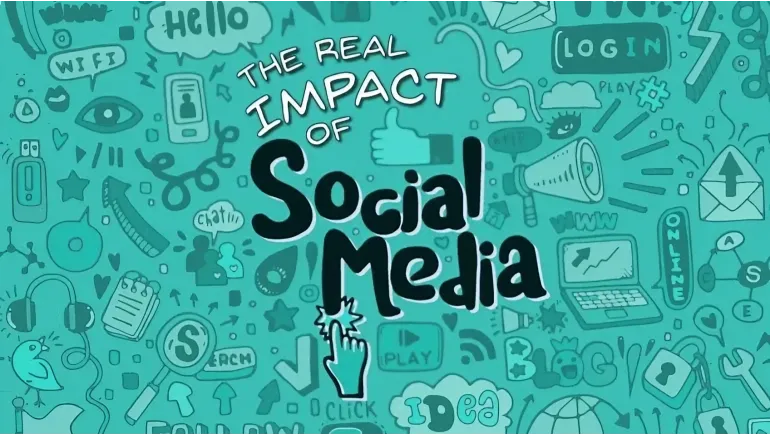
Social media has become one of the most influential forces shaping communication, education, business, and entertainment in 2026. Platforms such as Instagram, TikTok, Facebook, YouTube, LinkedIn, and X (formerly Twitter) continue to dominate global digital interaction. According to recent studies, billions of people worldwide actively use social media daily for news, networking, learning, and personal engagement.
While social media offers remarkable benefits, it also raises serious concerns regarding mental health, misinformation, privacy, and addiction. Understanding both sides is essential in today’s digitally connected society.
One of the greatest advantages of social media is instant communication. People can connect with friends, families, and colleagues across different countries in real time. Businesses and organizations also use these platforms to engage with customers globally. Social media has reduced communication barriers and created opportunities for international collaboration and cultural exchange.
In 2026, social media is not only for entertainment. Students and professionals rely on platforms like LinkedIn, YouTube, and online communities to learn new skills, attend webinars, and build careers. Content creators and entrepreneurs can also build personal brands and generate income through digital opportunities.
Social platforms have become major sources of news and public awareness. During emergencies and global events, social media enables rapid information sharing and public communication, making it a powerful tool for awareness and updates.
Online communities provide emotional support and awareness for health, education, and social causes. Many users find encouragement through support groups, helping reduce loneliness when used responsibly.
Excessive social media use has been linked to anxiety, stress, low self-esteem, and sleep issues, especially among teenagers. Constant comparison and cyberbullying can negatively affect emotional well-being.
False information spreads quickly on social media. Misleading news and unverified content can influence public opinion and create confusion, making digital literacy increasingly important.
Users often share personal data unknowingly, leading to risks such as identity theft, scams, and cyberattacks. Privacy protection remains a major concern in the digital era.
Social media addiction can lead to excessive screen time, reducing productivity and affecting real-world relationships and academic performance.
The impact of social media in 2026 is both powerful and complex. While it enhances communication, education, and global awareness, it also presents challenges such as misinformation, privacy risks, and mental health concerns. Responsible and balanced usage is essential to maximize its benefits while minimizing its drawbacks.






Comments
There are no comments for this Article.