




02 August 2026
|
8:10:45
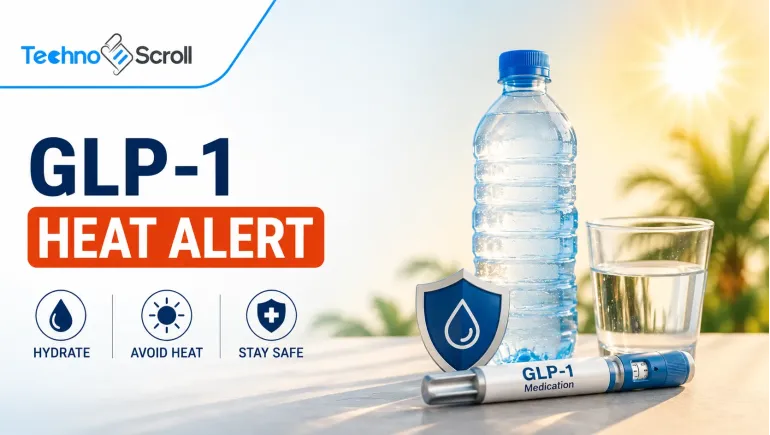
As summer temperatures rise across many regions of the world, healthcare professionals are issuing an important warning for people taking GLP-1 receptor agonists such as semaglutide and tirzepatide. These medications, widely prescribed for type 2 diabetes and obesity management, can increase the risk of dehydration and heat-related illness, particularly during periods of extreme heat. Recent medical reports and expert guidance highlight the need for proactive hydration and heat-safety measures among GLP-1 users.
GLP-1 medications work by reducing appetite, slowing gastric emptying, and improving blood sugar regulation. While these effects contribute to weight loss and metabolic improvements, they may also reduce normal thirst cues. As a result, some patients consume less fluid than their bodies require, especially during hot weather.
Additionally, common side effects associated with GLP-1 medications including nausea, vomiting, diarrhea, and reduced food intake can further contribute to fluid loss and electrolyte imbalances. When combined with increased sweating during hot weather, the risk of dehydration rises significantly.
Medical experts have also noted that some GLP-1 users may experience lower blood pressure, making them more susceptible to dizziness, lightheadedness, and fainting when exposed to high temperatures.
Dehydration is more than a temporary discomfort. If left untreated, it can lead to serious health complications, including kidney injury. The U.S. Food and Drug Administration has warned that severe dehydration associated with GLP-1 therapy may increase the risk of kidney damage in vulnerable individuals.
Common symptoms of dehydration include:
These symptoms may worsen quickly during heat waves or prolonged outdoor activity.
People taking GLP-1 medications should be especially vigilant for symptoms of heat exhaustion, which may include:
If symptoms progress to confusion, loss of consciousness, high body temperature, or altered mental status, emergency medical attention is required, as these may indicate heatstroke a life-threatening condition.
Do not rely solely on thirst as an indicator of hydration. Since GLP-1 medications may suppress thirst signals, many experts advise drinking fluids consistently throughout the day. Setting reminders on a smartphone can help maintain regular fluid intake.
During hot weather or prolonged sweating, electrolyte-containing beverages may help replace lost sodium and minerals more effectively than water alone. Experts suggest that electrolyte drinks can be beneficial when fluid losses are significant.
Alcohol and high amounts of caffeine can contribute to fluid loss and may worsen dehydration. Reducing consumption during heat waves can help maintain hydration status.
Persistent vomiting, diarrhea, or severe nausea can rapidly increase dehydration risk. Patients experiencing these symptoms should contact their healthcare provider promptly.
Whenever possible, limit strenuous outdoor activities during the hottest hours of the day. Seek shade, wear lightweight clothing, and take frequent cooling breaks. General heat-safety recommendations from public-health agencies remain especially important for people whose medications may affect hydration or temperature regulation.
Heat can affect not only the patient but also the medication itself. Experts advise storing GLP-1 medications according to manufacturer instructions and avoiding exposure to excessive temperatures or direct sunlight. During travel, insulated carriers may help maintain appropriate storage conditions.
Although all GLP-1 users should practice heat safety, additional caution is warranted for:
These groups may face a higher likelihood of heat-related complications during periods of elevated temperatures.
A simple habit drinking fluids regularly, even when not thirsty may be one of the most effective ways to stay safe and healthy while benefiting from GLP-1 therapy during the summer months.












Comments
There are no comments for this Article.