




13 September 2026
|
8:10:45
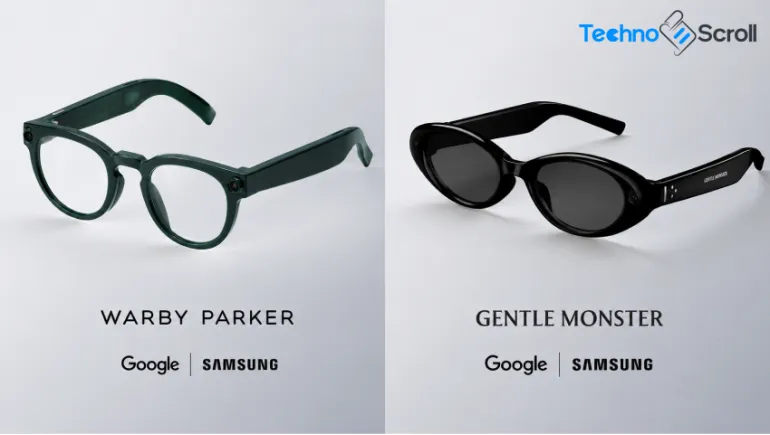
Smart glasses have spent years as a niche experiment, but Samsung and Google are now signaling that the category is ready for the mainstream. At Galaxy Unpacked in London on July 22, 2026, Samsung pulled back the curtain on its first Android XR-powered eyewear, following an earlier preview at Google I/O in May. Together, the two companies are positioning Android XR as a serious platform for AI-powered wearables and the reveal offers the clearest picture yet of what's coming this fall.
Samsung didn't show a single pair of glasses it showed a design strategy. Working with eyewear brands Gentle Monster and Warby Parker, Samsung introduced two distinct styles built on the same Android XR software foundation. The Gentle Monster frame leans into a bold, fashion-forward look, while the Warby Parker design takes a more everyday, understated approach. This dual-design strategy mirrors what Google previewed at I/O 2026, where the same brand partnership was first shown on stage, and it suggests Samsung wants its AI wearable to appeal to both early adopters and mainstream buyers from day one.
The defining feature of Samsung's smart glasses isn't the hardware it's Google Gemini AI running underneath. The glasses are designed to work as a companion to your smartphone, offloading processing to a paired Galaxy device rather than acting as a standalone computer. Through Gemini, the glasses can handle real-time translation, summarize notifications, add events to a calendar, provide navigation prompts, and respond to natural voice commands, all without requiring the wearer to pull out their phone. It's a hands-free approach to AI assistance that positions the glasses as an extension of the smartphone experience rather than a replacement for it.
Samsung has also teased tighter integration across its wearable lineup. Gestures on a paired Wear OS watch can reportedly be used to control the glasses, and photos captured through the built-in camera can appear as notifications directly on a connected phone. Samsung has described the glasses as being "made by a smartphone specialist," emphasizing that this is a Galaxy ecosystem product first, distinguishing its approach from standalone wearable competitors.
While Samsung hasn't published a full spec sheet, reporting around Unpacked points to a Qualcomm Snapdragon AR1 Gen 1 chip powering the glasses, paired with a 12-megapixel camera for photo and video capture. Battery life is rumored at roughly nine hours per charge, extended further through a charging case capable of about seven additional full charges enough for a wearer to go multiple days between outlet charges. The glasses also include onboard speakers, microphones, and a touch-sensitive control area on the frame arm for triggering the AI assistant or capturing photos.
This first generation is an audio-only, display-free design. There's no visual overlay or heads-up display built into the lenses Samsung and Google are deliberately starting with a lighter, more affordable AI wearable rather than a full augmented reality headset. A display-equipped follow-up model is reportedly planned for 2027, which would add visual overlays for notifications, navigation cues, and translated text directly in the wearer's field of view.
Samsung has confirmed a fall 2026 launch window for its Android XR glasses but has stopped short of announcing an official release date or price. Speaking to press after Unpacked, Samsung described the pricing as "reasonable," fueling speculation that the glasses will land in a similar range to earlier industry estimates of roughly $379 to $499. That would place Samsung's glasses between Meta's non-display Ray-Ban glasses and Meta's pricier display-equipped Ray-Ban Display model, positioning Samsung squarely in the middle of the current smart glasses market.
Importantly, this pricing and release window applies specifically to Samsung's hardware. Google has confirmed that additional Android XR glasses from partners like XREAL are also in development, meaning Samsung's launch is likely to be the first of several Android XR wearables to reach shoppers over the next year.
The smart glasses market is quickly becoming a three-way contest between Meta, Samsung, and eventually Apple, each betting on a different AI assistant and ecosystem. Meta's Ray-Ban glasses rely on Meta AI and a standalone approach that doesn't require deep integration with any one phone brand. Samsung's Android XR glasses, by contrast, lean entirely on Google Gemini and work best within the Galaxy ecosystem, tying the wearable closely to a user's existing phone, watch, and other Samsung devices.
For consumers, the decision increasingly comes down to which AI assistant and ecosystem they're already invested in, rather than which glasses have the better raw specifications. Someone deep in the Galaxy ecosystem gains real convenience from Gemini-powered glasses that sync naturally with their Wear OS watch and Galaxy phone. Someone outside that ecosystem may find Meta's more standalone approach, or a future Apple wearable, a better fit.
Samsung and Google's teaser signals a shift in how big tech views wearable AI. Rather than treating smart glasses as a novelty accessory, both companies are building Android XR as a genuine software platform one capable of supporting multiple hardware partners, multiple design styles, and a roadmap that scales from simple audio-based glasses today to full augmented reality displays in the near future. That platform thinking, paired with Gemini's growing set of AI capabilities, is what separates this generation of smart glasses from earlier failed attempts at the category.
For anyone weighing whether to invest in this wave of wearable technology, patience may pay off. With official pricing, availability, and further specifications expected in the coming months, and a display-equipped model already on the roadmap for 2027, this fall's launch looks like the opening chapter of a much longer story not the finished product.










Comments
There are no comments for this Article.