

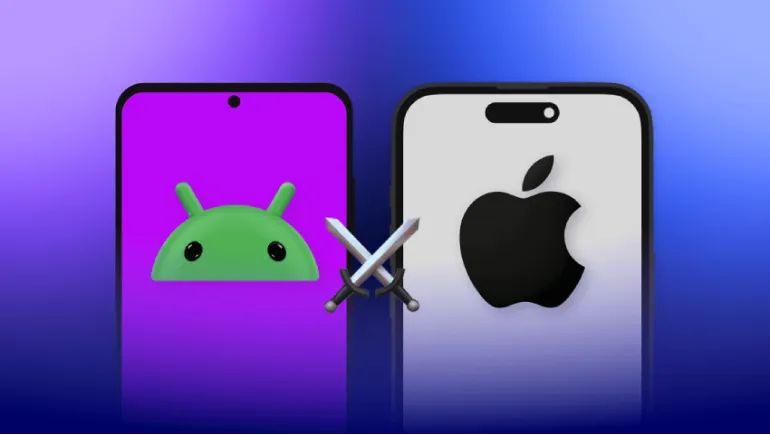
Choose an iPhone if you already use Apple devices, want simple software, and value long updates and strong resale prices. Choose an Android phone if you want more price choices, deeper customization, and features like fast charging or foldable screens. Neither is better for everyone. Your budget, habits, and current devices should decide.
The gap between the best smartphone options has never been smaller. Both platforms are mature in 2026, with iOS 26 and Android 16 as the current versions. This guide compares the two on the points that matter most, so you can choose with confidence.
Android vs iPhone at a Glance
| Factor | iPhone | Android Phone |
|---|---|---|
| Price range | Mid-range to premium | Budget to premium |
| Software | Simple, consistent iOS | Flexible, varies by brand |
| Customization | Limited | Extensive |
| Ecosystem | Tight Apple integration | Works across Google, Samsung, and Microsoft |
| Resale value | Usually higher | Usually lower |
| Charging speed | Moderate | Often faster on flagships |
Price: Android Gives You More Choices
Budget often decides this debate. Android covers a huge range, from phones under $200 to flagships above $1,300. Apple's cheapest iPhone costs noticeably more, and its Pro models sit at the top of the market. If you want a good mobile phone for under $400, Android is your practical choice.
However, price tags tell only half the story. iPhones usually keep more of their value when you resell them. If you upgrade every two or three years, that resale gap can narrow the real cost difference. Prices change often, so check current listings before you buy.
Software and Ease of Use
An Apple phone runs iOS, which stays consistent across every model. Menus look the same, and updates arrive for everyone at once. This simplicity suits people who want a phone that just works.
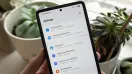
An Android phone gives you more control. You can change launchers, icons, default apps, and system settings. You can also install apps from outside the official store, though that carries risks. Each brand adds its own design, so a Samsung screen looks different from a Pixel screen. Many users enjoy that freedom. Others find it confusing.
Camera Phone Showdown
Today's camera phone beats most dedicated point-and-shoot cameras. Both platforms take excellent photos in good light.
- iPhone strengths: Consistent color, reliable video, and strong editing workflows on a Mac.
- Android strengths: Longer telephoto zoom on many flagships, plus more lens and sensor variety.
Many reviewers rate iPhone video as the best in the market, while top Android models lead in zoom. If you shoot a lot of video, lean toward iPhone. If you love distant subjects, test an Android flagship.
Software Updates and Longevity
Update length protects both your security and your resale value. Apple supports its phones for many years and sends updates to all models directly. Google and Samsung now promise up to seven years on their latest flagships. However, support varies on other Android brands.
Tip: Before you buy any Android mobile, read the manufacturer's official update promise. A cheap phone with two years of updates costs more in the long run.
Privacy and Security
Both platforms protect users well, and both collect some data. Apple promotes privacy as a selling point. Its App Tracking Transparency feature forces every app to ask before it tracks you across other apps and sites. Android offers a strong permission manager and regular security patches. It also gives you more control if you choose to use it.
For most people, safe habits matter more than the platform. Keep your phone updated, use a strong lock, and download apps only from official stores.
Ecosystem: The Deciding Factor for Many
If you own a Mac, iPad, Apple Watch, or AirPods, an iPhone fits naturally. Features like AirDrop, Handoff, and iMessage work smoothly across these devices. Switching away means losing some of that convenience.
If you use Windows, Google services, or mixed brands, Android fits better. Your touch phone works well with almost any laptop, speaker, or smartwatch. Check which apps and accessories you already own before you decide.
AI Features and New Designs
Both platforms now push on-device AI. Apple Intelligence requires an iPhone 15 Pro or newer. Google's Gemini reaches Pixel, Samsung, and many mid-range Android models. If AI tools matter to you, confirm that your chosen model supports them.
Android also leads in unusual designs, such as flip and book-style foldables. Apple entered this space recently with the iPhone Duo. Early units had reported screen problems, and Apple offered replacements. If you want a foldable, research the latest reports first.
Who Should Buy an iPhone?
- People who own other Apple devices
- Buyers who want simple, consistent software
- Users who plan to resell their phone
- Families and friends who rely on iMessage and FaceTime
Who Should Buy an Android Phone?
- Buyers on a tight or flexible budget
- Users who love customization and control
- People who want fast charging, zoom cameras, or foldables
- Anyone who mixes Google, Samsung, and Windows products
How to Choose in Five Steps
- Set your budget. Decide what you can spend before you compare.
- List your devices. Your laptop, watch, and earbuds matter.
- Rank your priorities. Camera, battery, or updates?
- Check update support. Look for at least four to five years.
- Test in a store. Hold each phone, and try its screen and camera.
An iPhone makes more sense if you value simplicity, long support, and Apple integration. An Android phone makes more sense if you want choice, flexibility, and better value at every price. Start with your budget and your current devices. Then pick the phone that matches your daily routine, not the one with the loudest marketing.
Frequently Asked Questions
Is iPhone better than Android?
Neither wins for everyone. iPhone suits simplicity and Apple users. Android suits choice, customization, and lower prices.
Which phone has the best camera?
Both take excellent photos. iPhones often lead in video, while top Android phones often lead in zoom.
Which lasts longer?
Apple has a strong record of long updates. Google and Samsung now match it on flagships, but other brands vary.
Is it hard to switch from Android to iPhone, or the reverse?
Both companies offer transfer tools. The harder part is leaving your ecosystem of apps, accessories, and messaging habits.




Comments
There are no comments for this Article.