




21 September 2026
|
8:10:45
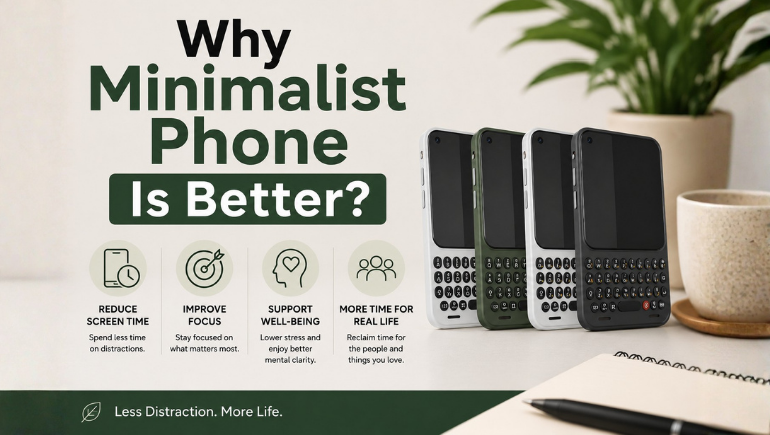
In an age where smartphones dominate nearly every aspect of daily life, many people are reconsidering their relationship with technology. Minimalist phones devices designed to provide essential communication tools without the distractions of social media, endless apps, and constant notifications are gaining popularity among users seeking a more intentional digital lifestyle.
Whether it's a dedicated minimalist device such as the Light Phone or a simplified smartphone setup, the concept is the same: reduce digital noise and focus on what truly matters. Here are four compelling reasons why a minimalist phone might be the right choice for you.
One of the primary reasons people switch to minimalist phones is to reduce screen time. Modern smartphones are intentionally designed to capture and retain attention through notifications, social media feeds, and app engagement features.
Research from the Pew Research Center found that more than half of teens felt they spent too much time on their cellphones, with many actively trying to reduce their usage. Excessive phone use has also been linked to distraction, decreased productivity, and difficulty maintaining focus.
Minimalist phones remove many of the elements that encourage compulsive checking and scrolling. By limiting access to social media and entertainment apps, users often find it easier to stay focused on work, studies, and real-world interactions.
Every notification has the potential to interrupt concentration. Recent research highlighted that smartphone notifications can disrupt attention for several seconds, and frequent interruptions can significantly affect productivity.
Minimalist phones are built around essential functions such as calling, texting, navigation, and basic utilities. Without the constant temptation of social feeds, games, and endless content streams, users can dedicate more uninterrupted time to important tasks.
For professionals, students, and creatives, this reduction in digital distractions can lead to deeper focus and more meaningful work sessions.
Constant connectivity can create feelings of stress, anxiety, and information overload. Social media comparison, notification fatigue, and the pressure to remain perpetually available can negatively affect mental health.
A minimalist phone encourages a healthier relationship with technology by making device usage more intentional. Instead of automatically reaching for a phone during every idle moment, users become more conscious of when and why they use their devices.
Many digital wellness advocates argue that reducing unnecessary screen exposure can contribute to greater mindfulness, improved attention spans, and a stronger sense of presence in everyday life.
Perhaps the most valuable benefit of a minimalist phone is the opportunity to reclaim time. Hours that would otherwise be spent scrolling social media or consuming digital content can be redirected toward hobbies, exercise, reading, learning new skills, or spending quality time with friends and family.
Minimalist phones are not about rejecting technology entirely. Instead, they promote using technology as a tool rather than allowing it to become a constant source of distraction. Devices such as the Light Phone demonstrate that communication, navigation, and essential connectivity can exist without the overwhelming ecosystem of modern smartphone apps.
A minimalist phone is not for everyone. Some users rely heavily on smartphone apps for work, banking, and daily convenience. However, for individuals seeking greater focus, reduced screen time, improved mental well-being, and a more intentional lifestyle, a minimalist phone can be a surprisingly effective solution.












Comments
There are no comments for this Article.