




21 September 2026
|
8:10:45
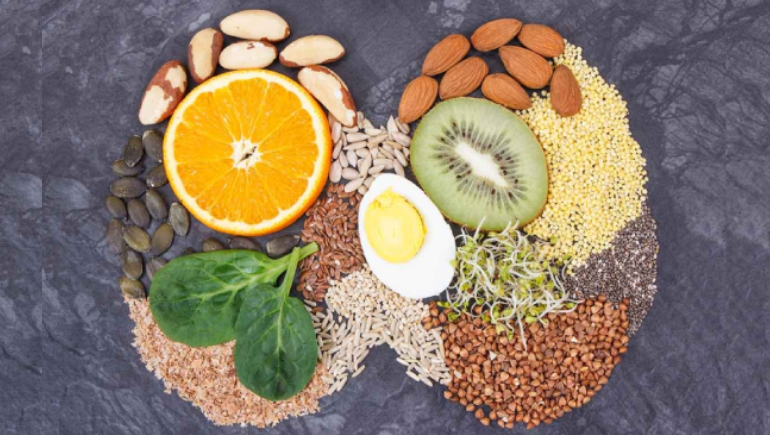
The thyroid gland plays a vital role in regulating metabolism, energy production, body temperature, and hormonal balance. When thyroid function becomes impaired, proper nutrition can help support treatment, improve symptoms, and enhance overall well-being.
While nutrition cannot cure thyroid disorders, research shows that balanced dietary strategies may support hormone production, reduce inflammation, and address nutrient deficiencies.
The thyroid produces two primary hormones: T3 (triiodothyronine) and T4 (thyroxine), which regulate important metabolic processes throughout the body.
Iodine is essential for the production of thyroid hormones. Both iodine deficiency and excessive intake may negatively affect thyroid function.
Selenium helps convert inactive thyroid hormone (T4) into active hormone (T3) and supports antioxidant protection.
Zinc contributes to thyroid hormone production and immune system support.
Iron deficiency may interfere with thyroid hormone synthesis and worsen fatigue.
Low levels of vitamin D and B12 are commonly found in autoimmune thyroid disorders.
Individuals with hypothyroidism benefit from nutrient-dense foods and balanced meals.
Soy may interfere with thyroid medication absorption if consumed excessively.
Broccoli, cabbage, kale, and cauliflower contain compounds that may affect iodine utilization. Cooking significantly reduces this effect.
Hyperthyroidism increases metabolism and may lead to muscle loss and nutrient depletion.
Autoimmune thyroid conditions often involve chronic inflammation. Anti-inflammatory foods may support immune balance and overall wellness.
Supplements may help address deficiencies, but excessive supplementation can worsen thyroid conditions.
Always consult a healthcare professional before starting iodine, selenium, zinc, iron, or vitamin D supplements.Nutrition is an important supportive tool for managing thyroid disorders. A balanced diet rich in essential nutrients and anti-inflammatory foods may help improve symptoms, support hormone balance, and enhance long-term health.
Because thyroid conditions vary from person to person, individualized nutrition plans developed with healthcare professionals are often the most effective approach.












Comments
There are no comments for this Article.