




10 October 2026
|
8:10:45
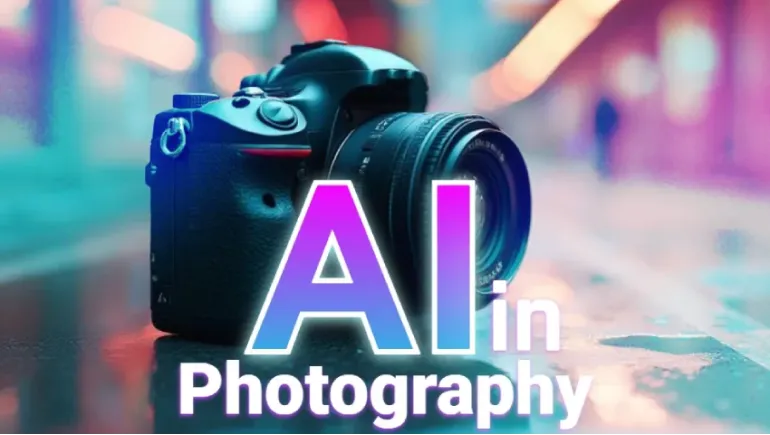
The photography landscape has transformed dramatically with artificial intelligence revolutionizing how we edit, organize, and deliver images. While some photographers remain skeptical about AI editing, the reality is that these photographer tools don't replace creativity, they amplify it by handling tedious tasks that consume valuable time.
If you're still spending hours on repetitive edits or drowning in thousands of uncurled images after a wedding shoot, it's time to embrace the AI for photographers 2026 has to offer. These seven AI photo editing tools have become essential for professionals who want to work smarter, not harder.
Adobe continues leading the pack with its integrated AI photo editor features that have become indispensable for modern photographers. The AI-powered Select Subject and Select Sky tools now work with remarkable accuracy, cutting masking time from minutes to seconds.
What makes Lightroom's AI editing stand out is its ability to recognize complex selections like hair strands and semi-transparent objects. The latest updates include AI noise reduction photographers actually trust, delivering cleaner high-ISO images without sacrificing detail.
The batch editing photographers can achieve with Lightroom's AI-enhanced presets means you can apply intelligent adjustments across hundreds of images while maintaining natural-looking results. The AI learns editing style preferences over time, making suggestions that align with your creative vision.
Among the best AI tools every photographer should use, Imagen AI stands out for its ability to learn your unique editing style. This AI photo culling and editing platform analyzes your previous work and replicates your color grading, exposure preferences, and stylistic choices across new images.
For wedding and event photographers drowning in thousands of photos, Imagen's AI photo culling feature identifies the best shots based on composition, focus, and facial expression detection AI.
The time savings are substantial, photographers report reducing their editing workflow from days to hours. The AI editing tools for professional photographers within Imagen handle everything from color correction to skin retouching while maintaining consistency across an entire shoot.
Topaz Photo AI combines three essential photographer tools into one powerful package: noise reduction, sharpening, and upscaling. This top 7 AI photo editing software 2026 contender uses deep learning to rescue images that would otherwise be unusable.
The noise reduction photographers get with Topaz surpasses traditional methods by analyzing image content and applying selective noise reduction that preserves important details.
The AI upscaling feature proves invaluable when clients request larger print sizes than your original files support. The technology genuinely adds detail rather than simply enlarging pixels.
When discussing the best AI photo editing options for portrait photographers, Evoto deserves serious attention. This auto retouching AI platform handles skin smoothing, blemish removal, and facial feature enhancement with remarkable subtlety.
What separates Evoto from basic retouching tools is its understanding of skin texture. The AI maintains pores and natural skin characteristics while removing temporary blemishes.
The batch editing photographers can accomplish with Evoto means retouching an entire portrait session takes minutes instead of hours.
Luminar Neo brings creative AI editing to photographers who want to push beyond traditional boundaries. The sky replacement tool uses intelligent masking to seamlessly insert dramatic skies while automatically adjusting lighting and reflections.
Additional photography AI tools include portrait bokeh AI, relight AI, atmosphere AI, and subtle body AI adjustments. Used with restraint, these tools become powerful creative assets.
Aftershoot focuses specifically on solving one of photography's most time-consuming challenges: selecting the best images from thousands of captures.
The AI for photographers 2026 version includes advanced facial expression detection AI that recognizes genuine smiles, identifies eye contact, and flags unusable frames.
Aftershoot can also apply your signature editing style and integrates seamlessly with popular editing platforms.
While many tools offer noise reduction, ON1 NoNoise AI earns its place for its sensor-aware approach. The AI analyzes noise patterns unique to different cameras and ISO levels.
The noise reduction photographers achieve preserves fine detail like eyelashes, hair, and fabric texture while eliminating unwanted grain.
Available as both standalone software and a plugin, it fits smoothly into existing workflows.
A common concern is that AI editing tools for professional photographers will make work look generic. In reality, AI handles technical corrections while photographers retain creative control.
The best AI photo editing workflows delegate repetitive tasks and leave artistic decisions in human hands.
As we move through 2026, AI tools continue evolving rapidly. Machine learning models are beginning to understand not just technical quality, but artistic intent.
Photographers who thrive will be those who treat AI as a collaborative partner, not a threat.
Most photography AI tools offer free trials or flexible subscriptions. Start with the tools that solve your biggest workflow bottlenecks.
A tool costing $10–30 per month pays for itself if it saves even one hour of professional time.





Comments
There are no comments for this Article.