




21 October 2026
|
8:10:45
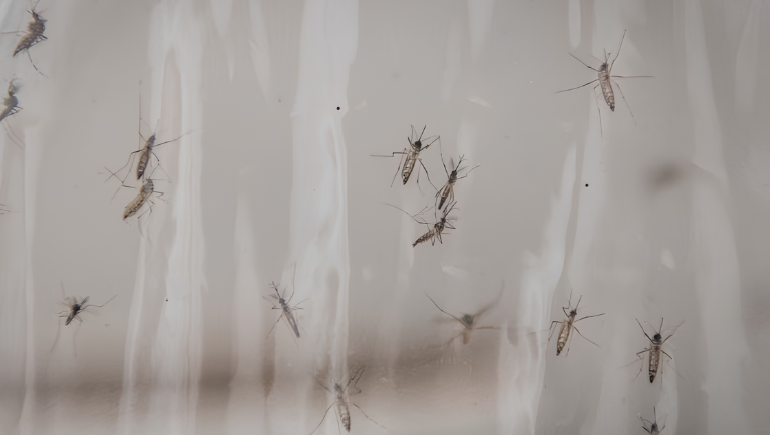
Google is best known for search engines, artificial intelligence, and cloud computing. However, the technology giant is now making headlines for a very different reason: a proposal to release up to 32 million specially treated mosquitoes in California and Florida as part of an ambitious public health initiative.
The project, known as Debug, is designed to reduce populations of disease-carrying mosquitoes through a biological control method rather than traditional pesticides. According to reports, Google has submitted a request to the U.S. Environmental Protection Agency (EPA) seeking permission to conduct large-scale releases over a two-year period. The agency is currently reviewing the proposal before making a final decision.
The Debug program was originally developed within Alphabet's life sciences division and focuses on combating mosquito-borne diseases through advanced biotechnology and automation. Rather than eliminating mosquitoes with chemicals, the project aims to suppress mosquito populations using a naturally occurring bacterium called Wolbachia.
Under the proposal, only male mosquitoes would be released. Male mosquitoes do not bite humans and are not responsible for transmitting diseases. These males carry Wolbachia bacteria, which prevents successful reproduction when they mate with wild female mosquitoes. As a result, the eggs fail to hatch, gradually reducing mosquito populations over successive generations.
Mosquitoes remain among the deadliest animals on Earth because they spread serious illnesses including dengue fever, Zika virus, West Nile virus, chikungunya, and malaria. Public health authorities worldwide continue to search for effective ways to limit mosquito populations without causing broader environmental harm.
Google's proposal is based on the idea of using "good mosquitoes" to suppress "bad mosquitoes." By releasing large numbers of sterile male insects, researchers hope to interrupt breeding cycles and reduce disease transmission risks in affected regions. According to the EPA filing cited in multiple reports, up to 16 million mosquitoes could be released annually in each state during the experimental period.
One of the most distinctive aspects of the Debug program is its reliance on technology. Google has reportedly developed automated systems powered by artificial intelligence, computer vision, sensors, and robotics to breed, sort, and release mosquitoes at scale. These systems are designed to ensure that only male mosquitoes are released into the environment.
The project demonstrates how technology companies are increasingly applying expertise in automation and data science to public health and environmental challenges beyond their traditional business areas.
The strategy is not entirely new. Similar Wolbachia-based mosquito control programs have been tested in multiple countries and regions around the world. Reports indicate that mosquito suppression efforts in places such as Singapore have produced significant reductions in mosquito populations and contributed to lower rates of dengue transmission. Previous pilot programs in the United States have also explored comparable techniques.
Scientists supporting the approach argue that it offers a targeted and environmentally friendly alternative to widespread insecticide use, which can affect non-target species and lose effectiveness over time due to resistance.
Despite the scientific support behind the proposal, some experts and members of the public have raised questions about the long-term ecological implications of releasing large numbers of modified mosquitoes into the environment. Critics argue that continued monitoring will be essential to ensure that unintended consequences do not emerge.
Supporters counter that the released mosquitoes are male, do not bite, and are specifically intended to reduce disease-carrying mosquito populations rather than introduce new risks. Regulatory oversight by the EPA is expected to play a key role in evaluating potential environmental impacts before any large-scale deployment proceeds.
The EPA is reviewing Google's application and considering public feedback before deciding whether to grant an experimental use permit. If approved, the project could become one of the largest mosquito-suppression initiatives ever undertaken by a technology company in the United States.
The decision will likely serve as an important test case for the future use of biotechnology and artificial intelligence in public health interventions. As mosquito-borne diseases continue to pose challenges worldwide, innovative approaches such as Debug may become increasingly significant in the fight against infectious disease.












Comments
There are no comments for this Article.