




21 October 2026
|
8:10:45
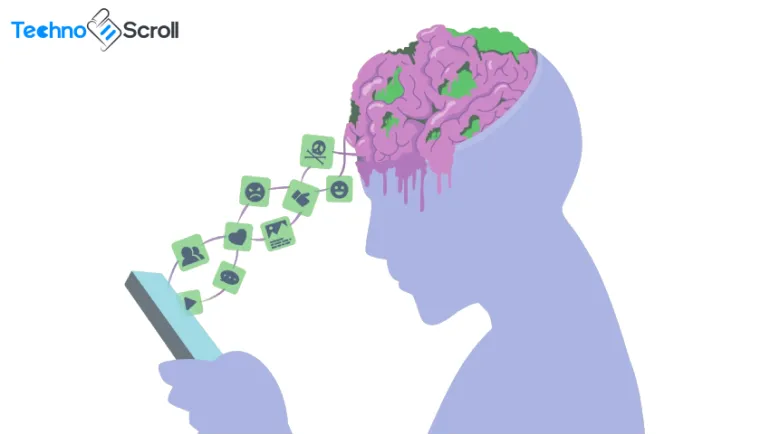
It's almost midnight, and the phone buzzes again a client message, a comment that needs a reply, a trend that will be irrelevant by morning. For social media marketers, the workday rarely has a true endpoint. New research published in 2026 confirms what many in the industry have quietly known for years: this profession is running on empty, and the toll is far more serious than typical workplace stress.
A multi-country study interviewing social media marketers across the United States, Ireland, India, Germany, and Australia found a profession full of passionate, creative professionals who are mentally drained by jobs that never fully switch off. The findings are striking: more than 40% of social media marketers plan to leave their jobs within the next two years, and nearly half say they receive little to no mental health support from their employers.
Researchers identified constant platform exposure and pressure to remain available at all times as central drivers of this stress, compounded by the fact that many marketers use the same platforms for both work and personal life, blurring boundaries that other professions don't have to navigate.
To stay current, marketers often spend their evenings scrolling personal feeds hunting for trends to use at work. This blurs the line between relaxing and researching, and between personal use and professional benchmarking. One marketer interviewed described the constant scrolling as feeling like being told they were doing things wrong both at work, where every post invites comparison with competitors, and at home, where lifestyle content triggers feelings of personal inadequacy. Social comparison is already one of the most well-documented ways social media erodes self-esteem; for marketers, that effect hits twice, professionally and personally, nearly around the clock.
The industry's go-to fix for burnout has been technology. Scheduling platforms let marketers queue content weeks in advance, and AI tools now help draft captions and reports. But researchers found these tools come with a catch. Scheduled posts can backfire when breaking news shifts the mood, meaning someone still has to actively monitor feeds. Marketers also worry that leaning too heavily on AI risks making content sound robotic, undermining the authenticity that makes social content effective in the first place. The tools promise freedom, but the expectation to be constantly available remains largely unchanged.
It would be easy to frame this as a personal discipline problem, but the research suggests otherwise. Many social media marketing roles bundle strategy, design, customer service, and crisis management into a single, often junior and poorly defined position. Stepping back from constant monitoring carries a real career cost, since time spent offline directly affects the engagement metrics marketers are judged on. This creates a structural bind: the healthiest choice for a marketer's wellbeing is often the choice most likely to be penalized in performance reviews.
Organizations can define specific windows for real-time monitoring rather than defaulting to 24/7 expectations, giving marketers predictable time to disconnect without professional consequences.
Where possible, using separate accounts or devices for work and personal browsing can help rebuild the boundary between relaxing and researching that many marketers say has disappeared entirely.
Scheduling and AI drafting tools genuinely help with efficiency, but they shouldn't be treated as a fix for structural always-on expectations. Employers should pair these tools with realistic monitoring schedules, not use them as justification for expecting even more constant availability.
Because many marketers are handling several distinct jobs at once, employers can reduce burnout by clarifying role scope, hiring support for crisis management or customer service separately, and evaluating performance on outcomes rather than raw responsiveness.
With nearly half of marketers reporting inadequate support, structured check-ins, access to mental health resources, and manager training on recognizing burnout symptoms can make a measurable difference.












Comments
There are no comments for this Article.