




22 July 2026
|
8:10:45
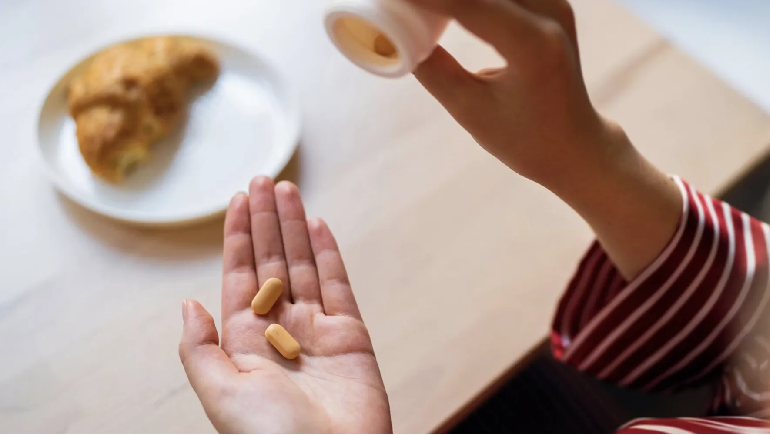
We often think of food as fuel, comfort, or even medicine, but rarely do we consider that what’s on our plate could interfere with the medications we rely on. The truth is, certain foods and drinks can alter how drugs are absorbed, metabolized, or used by the body. Sometimes the effects are mild. Other times, they can be dangerous.
If you take prescription or over-the-counter medications regularly, understanding food–drug interactions isn’t optional; it’s essential.
When you consume food, your body begins a complex process of digestion involving enzymes, stomach acids, and metabolic pathways. Medications go through similar processes. When both are present at the same time, they can compete or interfere with each other.
Some foods:
Grapefruit is one of the most well-known culprits. It contains compounds that inhibit enzymes responsible for breaking down many medications. This can cause higher levels of the drug to remain in your bloodstream, increasing the risk of side effects.
Affected medications may include:
Even a single glass can have lasting effects for over 24 hours.
Spinach, kale, and other leafy greens are incredibly healthy, but they can reduce the effectiveness of blood-thinning medications.
Vitamin K plays a key role in blood clotting. If you suddenly increase or decrease your intake, it can throw off your medication balance.
Key tip: Consistency matters more than avoidance. Don’t cut them out, just keep your intake steady.
Milk, cheese, and yogurt can bind to certain antibiotics, making them harder for your body to absorb.
Common interactions:
Spacing out dairy and medication by a few hours can help avoid this issue.
Alcohol doesn’t just interact with one or two medications, it interacts with many.
It can:
Mixing alcohol with medications for pain, anxiety, or sleep can be particularly risky.
Coffee, tea, and energy drinks can interfere with medications by either speeding up metabolism or intensifying side effects.
Potential issues include:
Fiber is great for digestion, but in large amounts, it can slow down how quickly some medications are absorbed.
This is especially relevant for:
Again, timing is key. Taking medication well before or after a high-fiber meal can help.
Bananas, oranges, and potatoes are rich in potassium. While that’s usually beneficial, it can become a problem when combined with medications that increase potassium levels.
Too much potassium can affect heart rhythm and become dangerous.
Food and medicine don’t always mix the way we expect. Something as simple as a glass of juice or a healthy salad can alter how your medication works. That doesn’t mean you need to overhaul your diet; it just means you need to be informed and intentional.
Being mindful of these interactions can help you get the full benefit of your medications while avoiding unnecessary risks.
When in doubt, always check. Your health depends on more than just what you take; it depends on what you eat alongside it.












Comments
There are no comments for this Article.