




24 October 2026
|
8:10:45
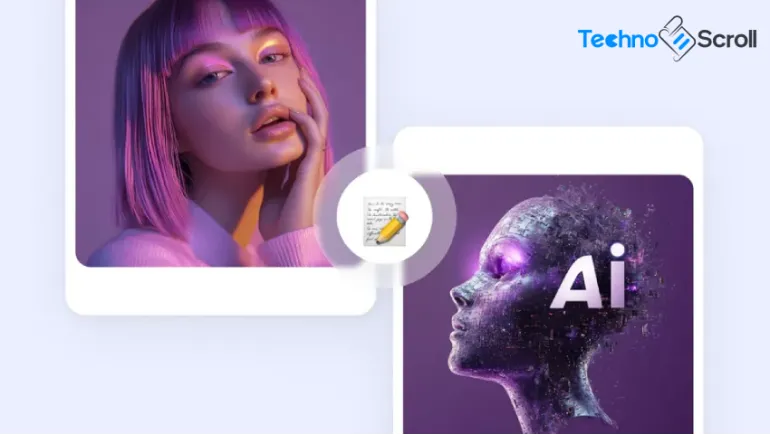
Scroll through Instagram or TikTok today, and there's a good chance you've already seen a product recommendation from someone who isn't real. Brands across fashion, beauty, tech, and retail are increasingly turning to AI-generated influencers, digital personas built to look and act like real content creators, to promote their products. A recent Guardian investigation confirmed what many marketers already suspected: this practice is far more widespread than most consumers realize, and disclosure is often missing entirely.
AI-generated influencers, also called virtual influencers, are digitally created characters built with CGI design and generative AI tools, then given a personality, aesthetic, and backstory that makes them feel authentic to followers. Some are stylized and clearly digital, while others are designed to be nearly indistinguishable from real people. According to consumer group Which?, roughly 70% of people cannot correctly identify AI-generated content when they see it.
Unlike human influencers, virtual influencers don't require travel budgets, scheduling around availability, or contract renegotiations. Brands can direct every aspect of their appearance, tone, and messaging, and can place them in any scenario, real or fantastical, at a fraction of traditional production cost.
AI influencers don't age, get tired, or generate off-brand controversy the way human creators sometimes can. They follow the script every time, making them appealing for brands that want tightly controlled messaging across campaigns.
Virtual influencers can be inserted into trending formats almost immediately, without the lag time of coordinating with a human creator's schedule. Virtual influencer Aitana Lopez, for example, was digitally placed "attending" an Oasis concert in London, generating buzz without any real-world logistics.
Several major brands have already built visible partnerships with virtual influencers:
The sectors most active in this space are luxury fashion, beauty, automotive, and retail, with growing adoption in Asian markets as well.
The Guardian's investigation raised a significant concern: many brands are deploying AI-generated content that appears to show genuine customer experiences, without clearly disclosing that the person featured isn't real. The report also found that some human content creators hired to produce this AI influencer content are being asked to sign non-disclosure agreements, preventing them from discussing their work publicly.
Regulation remains inconsistent. New European Union rules taking effect in August 2026 will require AI-generated or manipulated content, including deepfake images, audio, and video, to be clearly labeled. However, that rule won't apply in the UK, where no equivalent law currently exists. In the U.S., New York became the first state to require disclosure of AI "synthetic performers" in advertising, effective June 2026, though enforcement nationally remains uneven. Consumer advocacy groups like Which? argue that clear disclosure should be mandatory whenever AI-generated influencers appear in advertising.
Before adopting an AI influencer strategy, brands should weigh a few practical questions:










Comments
There are no comments for this Article.